Category: Uncategorized

  • Rahasia Sukses Pemain Slot Virtual Raih Kemenangan Maksimal

    Strategi Mengamati Pola Putaran Dan Membaca Momentum Mesin

    Pemain slot virtual yang sukses biasanya slot resmi tidak hanya mengandalkan keberuntungan semata. Mereka mengamati pola putaran, mencatat kapan simbol tertentu lebih sering muncul, lalu menyesuaikan strategi taruhan. Pendekatan ini membuat permainan lebih terukur dan membuka peluang kemenangan maksimal. Momentum mesin sering dianggap sebagai faktor penting, karena ada fase di mana hasil lebih sering menguntungkan. Dengan catatan yang konsisten, baik pemula maupun profesional dapat mengenali kapan mesin berada dalam kondisi gacor.

    Pengelolaan Modal Dengan Sistem Bertahap Untuk Mengurangi Risiko

    Kemenangan besar sering kali berawal dari pengelolaan modal yang disiplin. Pemain slot resmi berpengalaman membagi saldo menjadi beberapa bagian kecil agar setiap sesi permainan tetap terkendali. Sistem bertahap ini memungkinkan pemain untuk menyesuaikan taruhan sesuai kondisi permainan. Dengan cara ini, risiko kerugian bisa ditekan, sementara peluang jackpot tetap terbuka. Pendekatan ini juga menjaga kestabilan emosi, sehingga keputusan yang diambil lebih rasional dan tidak terburu-buru.

    Memanfaatkan Fitur Bonus Dan Free Spin Sebagai Senjata Tambahan

    Slot virtual biasanya menawarkan fitur bonus seperti free spin, multiplier, atau mini game. Pemain yang cerdas akan memanfaatkan momen ini untuk meningkatkan peluang kemenangan. Free spin menjadi kesempatan emas karena tidak mengurangi saldo modal, sementara multiplier dapat melipatgandakan hasil. Profesional sering menunggu fitur ini muncul sebelum menaikkan taruhan. Pemula pun bisa belajar mengenali kapan fitur bonus lebih sering aktif, sehingga strategi bermain lebih efektif.

    Variasi Permainan Slot Untuk Melatih Insting Dan Fleksibilitas

    Tidak semua slot memiliki tingkat volatilitas yang sama. Ada permainan yang memberikan kemenangan kecil namun sering, ada pula yang jarang menang tetapi sekali jackpot hasilnya besar. Pemain sukses biasanya mencoba berbagai variasi untuk menemukan kombinasi paling sesuai dengan gaya bermain mereka. Variasi ini membantu melatih insting sekaligus menjaga fokus agar tidak jenuh. Dalam komunitas, istilah seperti Tuak88, Slot88, dan Slot777 sering digunakan sebagai simbol pengalaman beragam dalam dunia slot virtual.

    Evaluasi Hasil Bermain Dan Menyusun Rencana Jangka Panjang

    Rahasia sukses pemain slot virtual tidak berhenti pada satu sesi saja. Evaluasi berkala menjadi langkah penting untuk mengenali pola kemenangan maupun kekalahan. Pemula bisa membuat catatan sederhana, sementara profesional biasanya menggunakan analisis lebih detail. Dari evaluasi ini, strategi jangka panjang dapat disusun, termasuk kapan harus berhenti atau kapan meningkatkan taruhan. Dengan rencana matang, permainan slot menjadi lebih terarah dan peluang kemenangan maksimal semakin terbuka setiap harinya.

  • Strain Selection in Algae: Unlocking the Potential of Microorganisms

    Strain Selection in Algae: Unlocking the Potential of Microorganisms

    Strain Selection in Algae: Unlocking the Potential of Microorganisms

    Introduction

    Algae, the diverse group of photosynthetic microorganisms, have garnered significant attention in recent years due to their promising applications in various industries, ranging from biofuel production to wastewater treatment. One critical aspect of harnessing the potential of algae lies in the meticulous process of strain selection. This article explores the significance of strain selection in algae and the various factors involved in making informed decisions.


    Understanding Algae Diversity

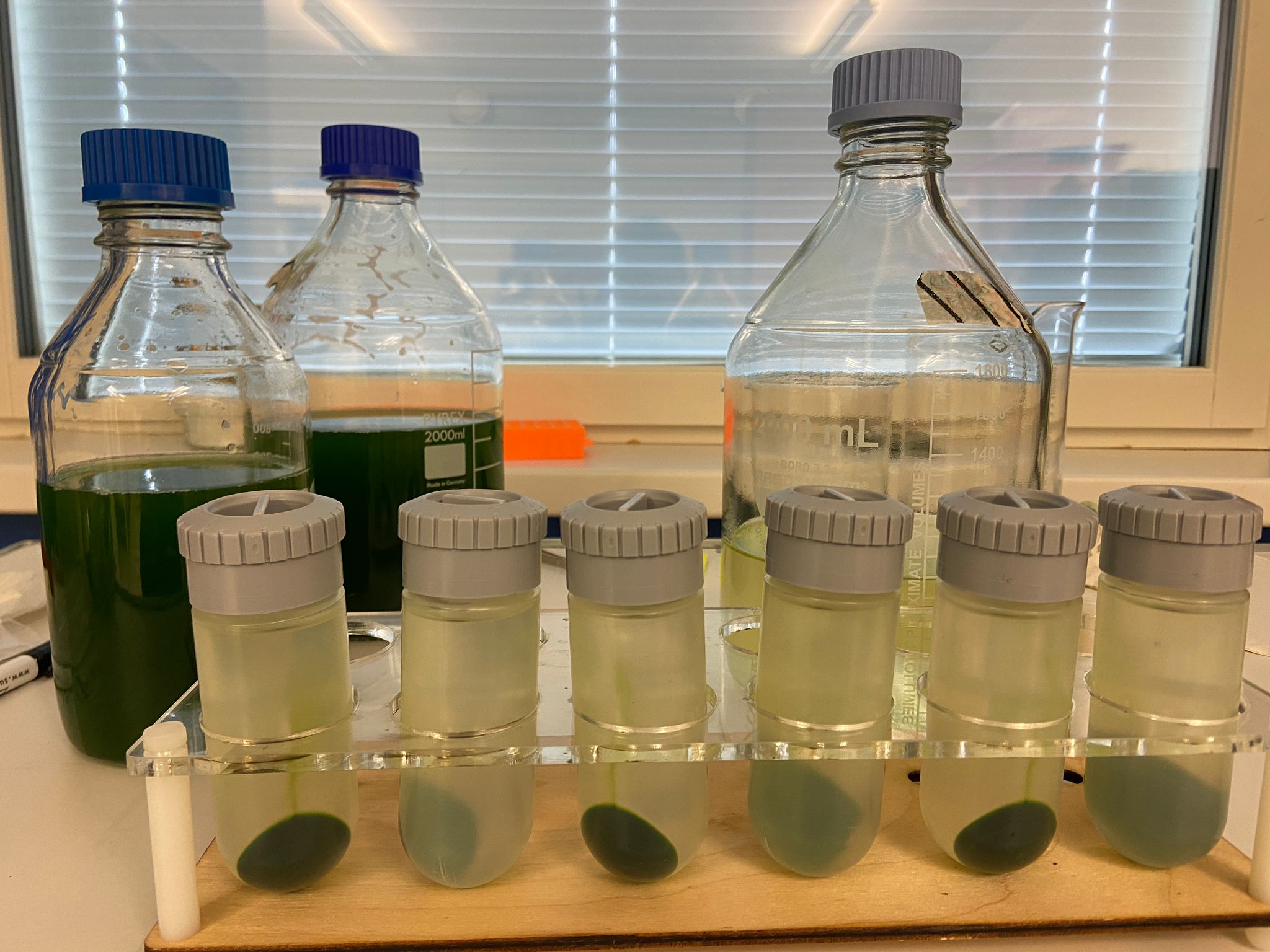
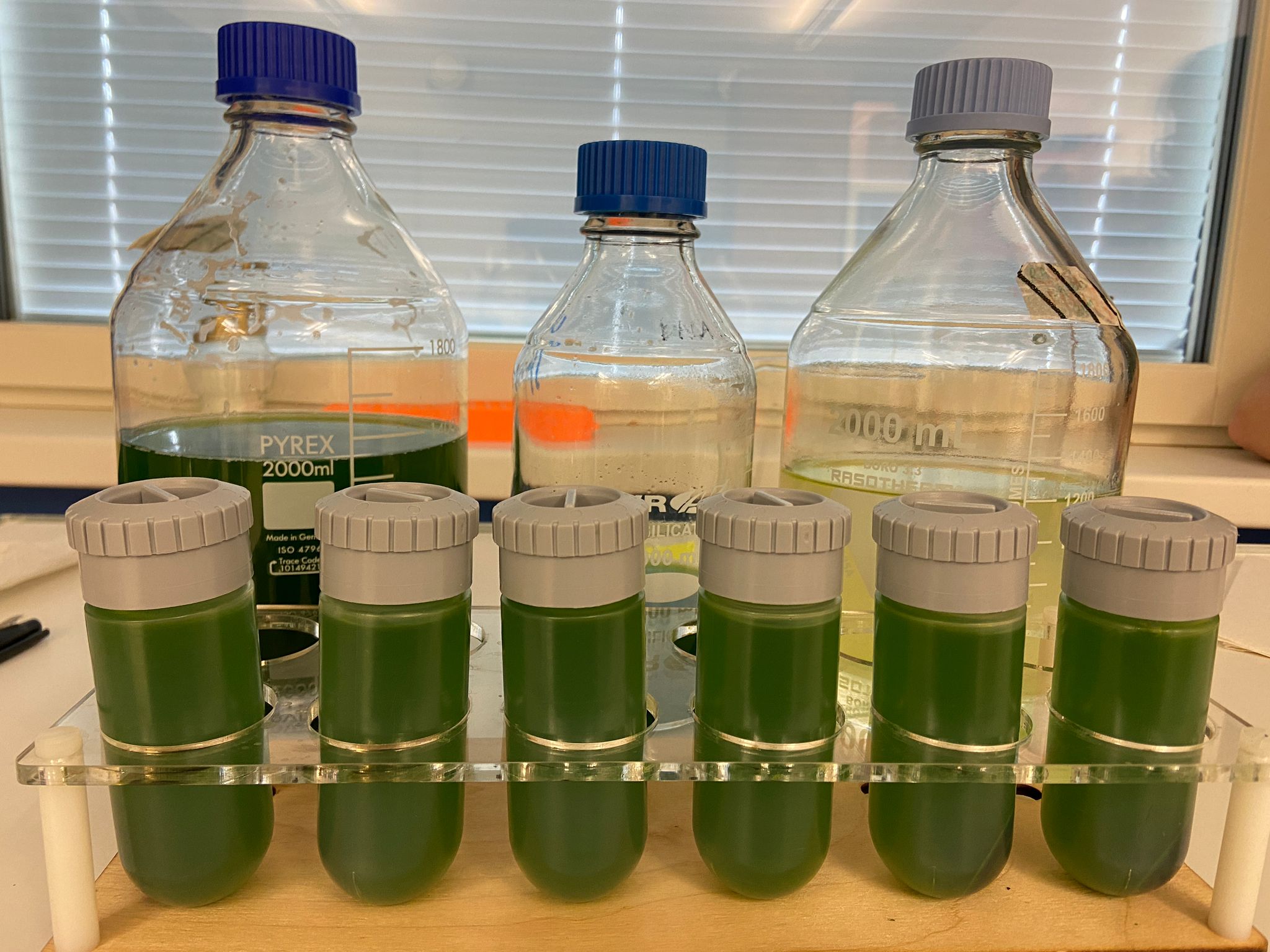
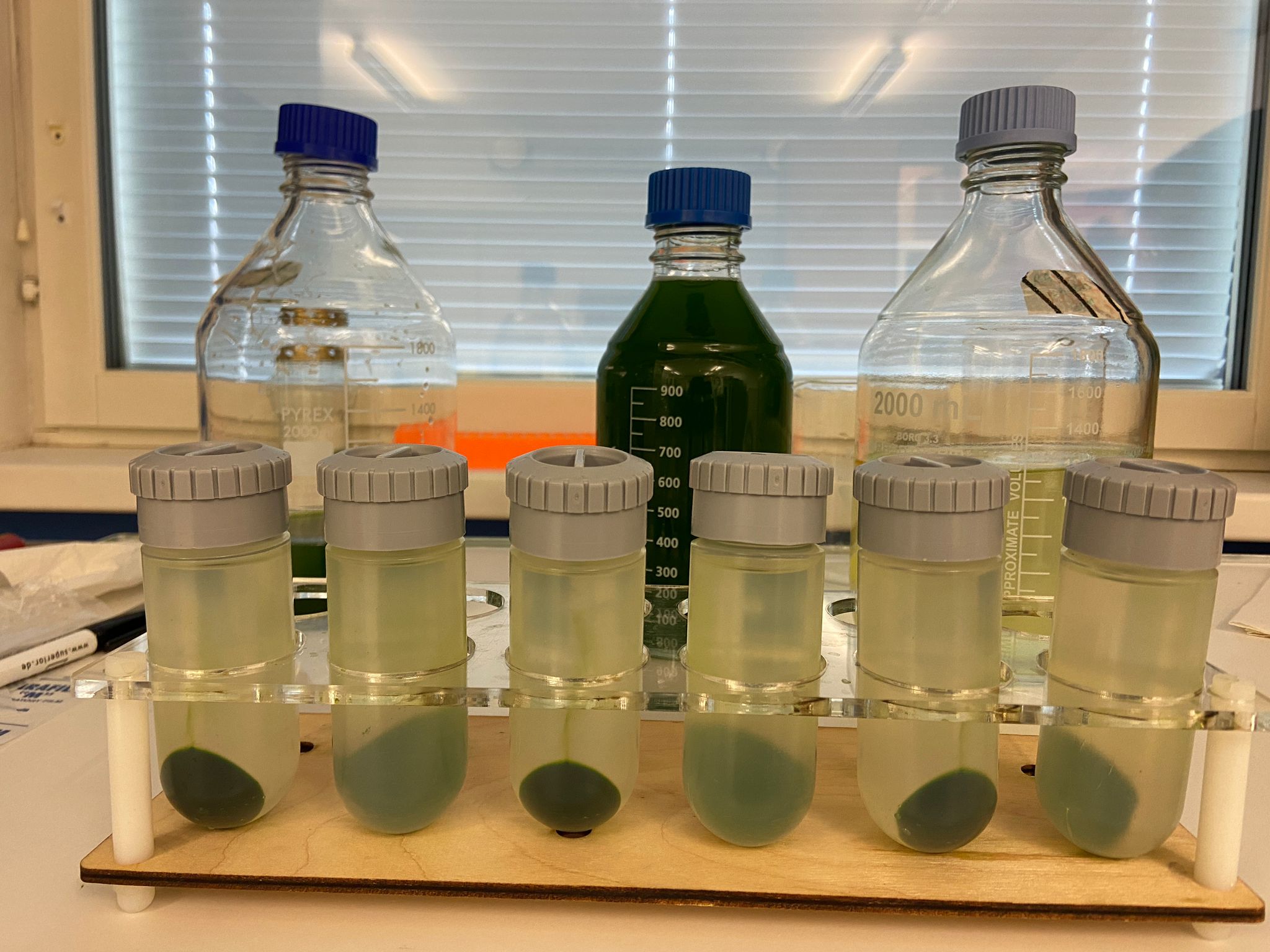
    Algae encompass a vast array of species, each with distinct characteristics and properties. These microorganisms can be found in a multitude of environments, from freshwater ponds to the vast depths of the ocean. Some are unicellular, while others form complex multicellular structures. Algae come in a spectrum of colors, including green, red, brown, and even blue-green.


    The Importance of Strain Selection

    Selecting the right algae strain is akin to choosing the perfect ingredient for a recipe. The strain’s properties can significantly impact the outcome of the process or product being developed. In the case of algae, strain selection is pivotal for the following reasons:

    1. Biomass Production

    Different algae strains exhibit varying growth rates and biomass yields. When it comes to applications like biofuel production or the creation of high-value chemicals, selecting a strain with robust growth and high biomass productivity is essential to maximize output.

    2. Biochemical Composition

    The biochemical composition of algae strains varies widely. Some strains are rich in lipids, which are ideal for biodiesel production, while others are prized for their high protein content, making them suitable for animal feed. The choice of strain determines the type and quantity of valuable compounds that can be extracted.

    3. Environmental Adaptability

    Algae strains differ in their tolerance to environmental conditions such as temperature, salinity, and nutrient availability. Strain selection must consider the intended cultivation environment to ensure optimal growth and resource utilization.

    4. Nutrient Uptake and Wastewater Treatment

    Algae are also used for wastewater treatment and nutrient removal from polluted water sources. The right strain can efficiently absorb and assimilate nutrients, helping to mitigate environmental issues.


    Factors in Strain Selection

    The process of selecting an algae strain involves careful evaluation of several key factors:

    1. Growth Characteristics

    Evaluate the growth rate, biomass productivity, and nutrient requirements of the strain. These factors directly impact the scalability of cultivation.

    2. Biochemical Composition

    Determine the lipid, protein, carbohydrate, and pigment content of the strain to assess its suitability for specific applications.

    3. Environmental Compatibility

    Consider the strain’s adaptability to the target cultivation environment, including temperature, pH, salinity, and nutrient availability.

    4. Genetic Stability

    Genetic stability is crucial for maintaining desirable traits over multiple generations of cultivation. Ensure that the selected strain exhibits genetic uniformity and stability.

    5. Resistance to Contamination

    Algae cultures are susceptible to contamination by bacteria, fungi, and other microorganisms. Choose strains with natural resistance to common contaminants or develop strategies to mitigate contamination risks.

    6. Regulatory Compliance

    Comply with local and national regulations governing the cultivation and use of algae strains, especially if they are genetically modified.


    Conclusion

    Strain selection in algae is a multifaceted process that requires a deep understanding of the diverse characteristics of algae species and their potential applications. By carefully considering growth characteristics, biochemical composition, environmental adaptability, genetic stability, and resistance to contamination, researchers and industries can unlock the full potential of these remarkable microorganisms. As advancements in biotechnology and genetic engineering continue, the world of algae strain selection is poised to make even more significant contributions to sustainable industries and environmental remediation efforts.

  • Strain Selection in Algae: Unlocking the Potential of Microscopic Powerhouses

    Strain Selection in Algae: Unlocking the Potential of Microscopic Powerhouses

    Strain Selection in Algae: Unlocking the Potential of Microscopic Powerhouses

    Introduction

    Algae, often overlooked in the grand scheme of the natural world, are tiny organisms that possess immense potential. These microscopic powerhouses play a pivotal role in various ecosystems and offer numerous applications in biotechnology, biofuels, wastewater treatment, and even food production. However, not all algae are created equal. Strain selection in algae is a critical process that can make or break the success of algae-based projects and industries. In this article, we will delve into the importance of strain selection in algae and the factors that guide this crucial decision-making process.


    The Algae Diversity

    Algae are a diverse group of photosynthetic organisms that encompass a wide range of species, from simple unicellular microalgae to complex multicellular macroalgae. Their diversity extends to their habitat as well, with algae thriving in freshwater, marine environments, and even extreme conditions like hot springs and deserts. It is this diversity that makes strain selection in algae such a vital consideration.


    Factors Influencing Strain Selection

    1. Growth Rate: Algae strains differ in their growth rates, which can significantly impact production in various applications. Rapidly growing strains are often favored for biofuel and bioproducts, while slower-growing strains might be preferred for wastewater treatment or research purposes.

    2. Nutrient Requirements: Different algae strains have varying nutrient requirements. Some strains can grow in minimal nutrient conditions, while others require specific nutrients, making it essential to match the strain with the available resources.

    3. Lipid Content: Algae are known for their ability to accumulate lipids, which can be converted into biofuels. Strains with high lipid content are ideal for biodiesel production.

    4. Tolerance to Environmental Conditions: Algae strains differ in their tolerance to environmental factors such as temperature, salinity, and pH. The chosen strain should be well-suited to the target environment.

    5. Product Specificity: Depending on the intended application, certain strains may be more suitable than others. For instance, some strains are better for protein production, while others excel in the production of high-value compounds like astaxanthin or phycocyanin.

    6. Toxicity: Some algae species can produce toxins harmful to humans and the environment. Careful strain selection is necessary to avoid strains with toxic properties.

    7. Biomass Density: The ability to achieve high biomass density is crucial, especially in applications like wastewater treatment and biomass production.

    8. Harvesting Ease: Strains that can be easily harvested using cost-effective methods are preferred for commercial applications.

    9. Genetic Engineering Potential: In some cases, the ability to genetically modify algae strains for enhanced performance or specific traits may be a consideration.

    10. Local Regulations: Compliance with local regulations, especially in industries like biofuel production and wastewater treatment, is essential. Some regions may have restrictions on certain algae species or their cultivation methods.


    Conclusion

    Strain selection in algae is a complex decision-making process that requires careful consideration of numerous factors. The right strain can make the difference between success and failure in various applications, from biofuel production to wastewater treatment. As research in the field of algae continues to advance, scientists and entrepreneurs are constantly discovering new strains and optimizing existing ones to harness the full potential of these microscopic powerhouses. With responsible strain selection, algae may play an increasingly significant role in addressing pressing environmental and industrial challenges in the years to come.


  • Strain Selection in Algae: Cultivating the Future of Sustainable Resources

    Strain Selection in Algae: Cultivating the Future of Sustainable Resources

    Strain Selection in Algae: Cultivating the Future of Sustainable Resources

    Introduction:

    Algae, often regarded as the unsung heroes of the natural world, hold tremendous potential for addressing some of our most pressing global challenges, such as food security, renewable energy, and environmental sustainability. Strain selection in algae plays a pivotal role in harnessing their capabilities, as not all algae are created equal. In this article, we will delve into the significance of strain selection in algae and explore how it can lead us towards a more sustainable future.

    The Algae Universe:

    Algae encompass a diverse group of photosynthetic organisms that thrive in various aquatic environments, from freshwater ponds to oceans. While some may associate algae primarily with the greenish slime that accumulates on stagnant water, this is just the tip of the algae iceberg. Algae can be classified into various categories based on their characteristics, including color (green, brown, red), habitat (freshwater, marine), and morphology (unicellular, multicellular). This diversity is where the importance of strain selection comes into play.

    Why Strain Selection Matters:

    1. Productivity and Biomass Yield: Different algae strains exhibit varying growth rates and biomass yields. Selecting strains that grow quickly and produce high biomass is essential for applications like biofuels, bioplastics, and food production.

    2. Nutritional Profile: Algae are rich in essential nutrients and bioactive compounds. Strain selection allows us to choose algae with the desired nutritional composition, which is crucial for applications in aquaculture and human nutrition.

    3. Environmental Adaptability: Algae strains have unique environmental requirements. Strain selection helps match specific strains to suitable cultivation conditions, minimizing resource inputs and environmental impacts.

    4. Biochemical Production: Algae can be engineered to produce valuable bioactive compounds, pharmaceuticals, and bioplastics. The choice of strain is pivotal in achieving high yields of these products.

    Applications of Strain Selection in Algae:

    1. Biofuel Production: Strain selection is critical for optimizing lipid and carbohydrate content in algae, as these compounds can be converted into biofuels like biodiesel and bioethanol.

    2. Nutraceuticals and Pharmaceuticals: Algae strains rich in compounds like omega-3 fatty acids, antioxidants, and anti-inflammatory agents are chosen for the production of nutraceutical and pharmaceutical products.

    3. Aquaculture: Algae serve as a primary food source for aquaculture species. Strain selection ensures that the algae used in aquaculture provide the necessary nutrients for fish and shellfish.

    4. Bioremediation: Algae can remove pollutants from water and soil. Strain selection helps identify algae species that are efficient at absorbing specific contaminants.

    5. Carbon Capture: Certain algae strains have the ability to sequester carbon dioxide from the atmosphere. Selecting these strains can contribute to carbon capture and combat climate change.

    Challenges in Strain Selection:

    While strain selection offers immense potential, it comes with its own set of challenges. Identifying and characterizing algae strains can be time-consuming and costly. Moreover, ensuring genetic stability and scalability of selected strains for commercial applications can be complex.


    Conclusion:

    Strain selection in algae represents a cornerstone in unlocking the vast potential of these remarkable organisms for sustainable solutions. Whether it’s biofuel production, nutritional supplements, or environmental remediation, the choice of the right algae strain can make all the difference. As research and technology continue to advance, we can expect more sophisticated methods of strain selection, leading us towards a greener and more sustainable future.